Free USA shipping on $50+

No products in the cart.

More Than a Leaf: Discover the Kratom Lifestyle

At Bagus Botanicals, kratom isn’t just a product — it’s a way of life rooted in balance, nature, and intention. Our blog is your front-row seat to everything kratom: from the lush jungles of Indonesia to your morning routine. Whether you’re curious about how kratom can support your wellness, looking for dosage tips, or want to explore stories from real people just like you — you’re in the right place.

No fluff. No jargon. Just honest insights, rituals that work, and the kind of content you actually want to read.

Ready to explore what this plant can do for you? Let’s dig in.

Wooden teaspoon filled with green kratom powder next to a digital scale displaying zero, illustrating how many grams of kratom are in a teaspoon.

January 20, 2025

How Many Grams of Kratom Are in a Teaspoon?

Measuring kratom correctly is essential for a consistent and enjoyable experience. Whether you're a beginner or an experienced user, understanding how many grams of kratom fit into a teaspoon is vital for ensuring you’re using the right amount. In this guide, we’ll explore how much kratom a teaspoon typically holds, the limitations of using spoons, and why investing in a digital scale can make a big difference. Why Accurate Kratom Measurements Matter Getting the serving size right is crucial for achieving the desired effects of kratom. Since kratom’s potency varies depending on the strain and batch, precise measurement ensures safety and consistency. Body chemistry, tolerance levels, and experience with kratom also play a role, making accurate serving sizes a cornerstone of responsible usage. For users seeking tailored dosing recommendations, the Kratom Dose Calculator can be an invaluable tool. By inputting factors like sex, weight, and experience level, you can determine the most appropriate dose for your needs. How Many Grams Are in a Teaspoon of Kratom? On average, a level teaspoon holds approximately 2 to 2.4 grams of kratom powder. However, this number can vary depending on: The type of kratom. How finely the powder is ground. How densely the powder is packed into the spoon. For beginners, starting with a teaspoon measurement is a simple way to determine an ideal serving size, but adjustments may be necessary. Factors Affecting Teaspoon Measurements Kratom Density: The density of kratom powder can vary significantly between batches, meaning the same amount of powder may occupy different volumes. Grinding Consistency: Finer grinds may compact more easily into a teaspoon, altering the weight compared to coarser grinds. Spoon Variability: Teaspoons differ slightly in size, which can lead to minor inaccuracies in measurements. Tips for Measuring Kratom with a Teaspoon To improve measurement accuracy when using a teaspoon: Use a leveled spoon and scrape off excess powder to ensure consistency. Avoid packing the powder too tightly, as this can increase the weight beyond the expected range. Always use the same teaspoon for consistency in measurements. While teaspoons provide a convenient way to measure kratom, they are less precise than digital scales. Why a Digital Scale Is a Better Option For ultimate precision, a digital scale is the most reliable tool for measuring kratom. Using a scale like the AmazonBasics Digital Scale allows you to measure kratom accurately to the gram. Here’s how to use the scale with the TARE method: Place your teaspoon or any other container on the scale. Press the "TARE" button to reset the weight to zero. Scoop your kratom powder into the spoon or container. The scale will now display the exact weight of the powder, excluding the spoon's weight. This method eliminates guesswork and ensures precision. At Bagus Botanicals, we include a wooden spoon with each order, which is approximately the size of a teaspoon. However, keep in mind that the weight of kratom can vary depending on the powder’s density. For example, nano green powder is denser and will weigh slightly more per teaspoon compared to other strains. General Serving Size Recommendations Most kratom users find that 2 to 3 grams per serving is ideal, equivalent to roughly one teaspoon. However, serving sizes vary depending on individual factors such as: Body weight. Sensitivity to kratom. Tolerance levels. For advanced users, larger servings may be appropriate, but it’s best to increase gradually to avoid potential side effects. If you’re unsure, use the Kratom Dose Calculator for personalized recommendations. FAQs About Measuring Kratom with a Teaspoon Can I Rely on Teaspoons for Accurate Measurements? While they provide a rough estimate, teaspoons are less precise than a digital scale. They’re useful for casual measurements but can lead to inconsistencies. Why Does Kratom’s Density Vary? Kratom powder’s density depends on factors like the strain, grind, and moisture content. This variability is why weighing your kratom is more accurate than relying on volume measurements. How Does the TARE Method Improve Accuracy? The TARE method ensures that the scale only measures the kratom powder by subtracting the weight of the spoon or container. It’s the most reliable way to ensure you’re using the correct amount. What Are the Risks of Incorrect Measurements? Taking too much kratom can lead to unwanted side effects such as nausea, dizziness, or drowsiness. Measuring accurately helps mitigate these risks. Conclusion Understanding how many grams of kratom are in a teaspoon is essential for safe and consistent use. While a teaspoon can hold approximately 2 to 2.4 grams, factors like density and grind can affect this measurement. For the most reliable results, consider using a digital scale like the AmazonBasics Digital Scale to eliminate guesswork and ensure accurate serving sizes. Additionally, tools like the Kratom Dose Calculator can help you find the ideal dose based on your weight, sex, and experience level. With these tools and techniques, you can enjoy a safe, consistent, and personalized kratom experience.
Read More
Close-up of a urine test sample with bold text 'Kratom & 10-Panel Test' arching over the image, visually highlighting the connection between kratom and drug testing. A soft-focus background features a plant and warm lighting, creating a professional yet approachable tone, ideal for addressing the question 'Will Kratom Show Up on a 10-Panel Test?

January 19, 2025

Does Kratom Show Up on a 10-Panel Test? Everything You Need to Know

If you’ve been asked to take a drug test, you may be wondering: Does kratom show up on a 10-panel test? As kratom gains popularity for its natural properties in managing relief, energy, and focus, many people are concerned about its detectability in standard drug screenings. Understanding how drug tests work and whether they screen for kratom can help ease your mind and prepare you for what to expect. What Is a 10-Panel Drug Test? A 10-panel drug test is one of the most common drug screening methods used by employers, probation officers, and legal entities. It’s designed to detect traces of 10 specific substances in a person’s system. Substances Tested in a 10-Panel Drug Test The standard 10-panel test screens for: Marijuana (THC) – Cannabis and its byproducts. Cocaine – Including cocaine metabolites. Amphetamines – Such as Adderall and methamphetamine. Opiates – Morphine, codeine, and heroin. Barbiturates – Phenobarbital and similar sedatives. Benzodiazepines – Valium, Xanax, and other tranquilizers. Phencyclidine (PCP) – A hallucinogenic drug. Methadone – A synthetic opioid for relief management or addiction treatment. Propoxyphene – A mild discomfort alleviator (less common today). Methamphetamine – A stimulant in the amphetamine family. How Does the Test Work? Typically, a urine sample is used for this test, though saliva or blood samples may sometimes be required. The purpose is to identify traces of substances that indicate recent drug use. However, kratom’s active compounds do not fall into any of these categories. What Is Kratom? Kratom, scientifically known as Mitragyna speciosa, is a tropical plant native to Southeast Asia. Its leaves have been used for centuries for their unique effects on the mind and body. Uses and Benefits of Kratom Traditionally, kratom has been used to combat fatigue, improve focus, and manage relief. In the West, it has become popular as a natural alternative for managing opioid withdrawal, improving energy levels, and alleviating stress. Active Compounds in Kratom The two main alkaloids in kratom are: Mitragynine: Known for its stimulant effects at lower doses. 7-Hydroxymitragynine: More potent, with relief-inducing and sedative properties. These alkaloids interact with opioid receptors in the brain but are chemically distinct from the opiates tested in drug panels. Does Kratom Show Up on a 10-Panel Test? The short answer is: No, kratom is not detected in a standard 10-panel drug test. The alkaloids mitragynine and 7-hydroxymitragynine are not part of the substances included in these tests. Does Kratom Mimic Other Substances? Although kratom produces effects similar to opioids, it is chemically different. This means it does not trigger false positives for opiates like morphine, heroin, or codeine on a standard test. Can Specialized Tests Detect Kratom? Yes, but only if requested. Specialized tests, such as gas chromatography-mass spectrometry (GC-MS) or high-performance liquid chromatography (HPLC), can identify kratom’s alkaloids. These tests are not part of routine drug screening and are typically used in specific situations, such as legal cases or custom workplace policies. Does Kratom Show Up on a 5-Panel Test? Similar to the 10-panel test, a standard 5-panel drug test also does not include kratom. The 5-panel test focuses on fewer substances, such as marijuana, cocaine, amphetamines, opiates, and PCP. Factors Affecting Kratom Detection If specialized testing is involved, several factors can influence the detection of kratom: 1. Dosage and Frequency Frequent or high-dose use increases the likelihood of detection. Alkaloids can accumulate in the body over time, extending their presence in blood or urine. 2. Timing of Use Kratom’s compounds typically remain detectable in urine for 1–9 days, depending on individual metabolism and usage patterns. Recent use (within 24–72 hours) is more likely to be detected. 3. Type of Test Standard panels do not test for kratom, but advanced tests like GC-MS or HPLC can detect its presence. When Is Kratom Testing Requested? Specialized kratom tests are rare and are usually requested in the following scenarios: Workplace Policies: Certain employers may include kratom in extended drug panels. Athletic Organizations: Testing for performance-enhancing substances may target kratom. Legal Cases: In situations involving substance regulations, courts may request kratom testing. Key Takeaways Does kratom show up on a 10-panel test? No, it’s not included in standard panels. Specialized tests like GC-MS or HPLC are required to detect kratom. Factors like dosage, frequency, and timing affect detection in custom tests. False positives for opiates are extremely rare because kratom’s alkaloids are chemically different. Understanding how drug tests work and knowing the specifics about kratom can help reduce anxiety and provide clarity. Always review workplace policies or testing requirements if you use kratom. FAQs Does kratom show up on a 10-panel test?No, standard 10-panel drug tests do not screen for kratom. Can kratom be detected in a drug test?Yes, but only through specialized tests like GC-MS or HPLC. Does kratom show up on a 5-panel test?No, the 5-panel test does not include kratom’s active compounds. How long does kratom stay in your system?Kratom can remain detectable in urine for 1–9 days, depending on usage and metabolism. Can employers test for kratom?Yes, employers can request custom drug panels to include kratom. Conclusion Kratom is not part of standard 10-panel or 5-panel drug tests, but advanced tests can detect its presence under specific circumstances. If you’re concerned about testing, knowing the facts about kratom and drug detection can help you navigate the process with confidence. Looking for high-quality, ethically sourced kratom? Explore Bagus Botanicals for trusted products. Order now and start your wellness journey with confidence! References National Institute on Drug Abuse (NIDA): Drug Testing Overview Mayo Clinic: What Is Kratom? Uses and Risks U.S. Food and Drug Administration (FDA): Kratom and Public Health Risks WebMD: Kratom: Effects, Uses, and Risks
Read More
Nebraska's Kratom Debate: Inside a grand legislative chamber with lawmakers gathered to discuss the future of kratom regulation in the state.

January 18, 2025

Nebraska Moves to Ban Kratom: What Legislative Bill 431 Means for Users and Advocates

Nebraska State Senator Loren Lippincott has introduced Legislative Bill 431 (LB431), a bill that seeks to classify kratom as a Schedule I controlled substance under Nebraska’s Controlled Substances Act. This move would effectively make kratom illegal in the state, aligning Nebraska with other states such as Alabama, Arkansas, Indiana, Rhode Island, Vermont, and Wisconsin, where kratom is already banned. What is Kratom? Kratom is a natural substance derived from the leaves of the Mitragyna speciosa tree, native to Southeast Asia. For centuries, it has been used as a traditional remedy for various ailments, including pain relief, anxiety, and even opioid withdrawal. Kratom is typically consumed as tea or in powdered form, providing effects that range from mild stimulation to pain relief. The Debate Around Kratom: Benefits vs. Concerns 1. Supporters’ Perspective: Advocates highlight kratom’s potential as an alternative treatment for chronic pain, anxiety, and opioid addiction. Studies, such as one published in the International Journal of Molecular Sciences, suggest kratom may help combat conditions like Alzheimer’s disease. 2. Opponents’ Concerns: Critics point to kratom’s potential for abuse and the lack of regulatory oversight. Some health officials worry about safety risks associated with the active compounds, mitragynine and 7-hydroxymitragynine. Why Nebraska Wants to Make Kratom Illegal Senator Lippincott’s proposed legislation reflects growing concerns over the safety and regulation of kratom products. If classified as a Schedule I substance, kratom would be considered to have a high potential for abuse and no accepted medical use, similar to drugs like heroin and LSD. Implications of LB431 for Nebraska and Beyond If LB431 is passed, Nebraska would: Prohibit the sale, possession, and distribution of kratom products. Join a growing list of states imposing strict regulations on kratom. This legislative move may influence other states currently debating whether to regulate or ban kratom. Conclusion As Nebraska considers banning kratom with Legislative Bill 431, the debate underscores growing divisions over alternative medicine, public health, and individual freedoms. While supporters view kratom as a natural remedy with significant health benefits, opponents see it as a substance with high risks and insufficient oversight. The outcome of this legislation could set a precedent for other states considering similar bans. FAQs About Kratom and LB431 1. What does it mean to classify kratom as a Schedule I substance?Schedule I substances are considered to have a high potential for abuse and no accepted medical use, placing kratom in the same category as heroin and LSD. 2. Where is kratom currently illegal?States such as Alabama, Arkansas, Indiana, Rhode Island, Vermont, and Wisconsin have already banned kratom. 3. Why do people use kratom?Kratom is often used for pain relief, anxiety management, and to alleviate symptoms of opioid withdrawal. 4. What are the main safety concerns about kratom?Critics cite its potential for misuse, lack of FDA regulation, and health risks associated with its active alkaloids. 5. Could LB431 set a precedent for other states?Yes, the outcome in Nebraska could influence similar legislative efforts in other states. Article Source: https://www.newsbreak.com/the-marijuana-herald-2222119/3766071415576-nebraska-senator-files-bill-to-make-kratom-illegal
Read More
Illustration of an explorer documenting the first discovery of kratom in a lush tropical rainforest, surrounded by dense foliage and golden light filtering through the trees. The scene captures the historical moment of a naturalist studying the unique plant with sketches and tools on a rustic table, highlighting the initial exploration and documentation of kratom.

January 15, 2025

When Was Kratom Discovered? Tracing the Origins of This Remarkable Plant

For centuries, the dense tropical forests of Southeast Asia have held secrets that continue to intrigue scientists, botanists, and explorers alike. One such mystery lies in the discovery of kratom (Mitragyna speciosa), a versatile evergreen tree whose leaves have become both celebrated and controversial. But when was kratom discovered, and how did it evolve from a traditional remedy to a global phenomenon? Let’s delve into its fascinating history. A Glimpse Into the Discovery of Kratom The official documentation of kratom began in 1839 when Pieter Korthals, a Dutch botanist working for the East India Company, first described the plant. Korthals named it Stephegyne speciosa, but the classification underwent revisions over the years. In 1859, British surgeon and botanist George Darby Haviland reclassified it as Mitragyna speciosa, the name it holds today. Korthals’ meticulous sketches and notes on the plant’s distinctive glossy leaves and spherical yellow flowers laid the groundwork for future scientific studies. While Korthals is credited with its initial discovery, kratom’s use predates Western documentation by centuries. Indigenous communities in Thailand, Malaysia, and Indonesia had long recognized the plant’s potential. For them, kratom leaves were a remedy for fatigue, pain, and digestive issues. Laborers chewed the raw leaves to sustain energy during grueling workdays, and traditional healers brewed kratom tea for ailments ranging from coughs to wounds. The Role of Kratom in Traditional Medicine The ethnobotanical roots of kratom run deep in Southeast Asia. Historical records suggest that its use was intertwined with cultural and spiritual practices. In Thailand, kratom was often offered to guests as a symbol of respect. It also featured in ritual ceremonies, where it was believed to connect humans with their ancestors. These cultural practices, passed down through generations, highlight the plant’s revered status in local communities. The medicinal properties of kratom were also noted in the 19th century. Villagers and healers discovered its unique dual action—small doses acted as a stimulant, while larger quantities provided sedative-like effects. The versatility made it invaluable in managing a wide range of health conditions, from musculoskeletal pain to intestinal infections. Although these practices lacked scientific validation at the time, they underscored the plant’s importance in traditional medicine. Kratom's Historical Intersection with the Opium Trade Interestingly, kratom’s prominence in Southeast Asia grew alongside the region’s opium trade. During the 19th century, as opium dependency became a widespread issue, kratom emerged as a substitute for those trying to manage withdrawal symptoms. A report from 1836 mentions its use in Malaysia for this purpose, suggesting that locals had identified its potential to ease addiction long before Western pharmacologists took notice. In Thailand, kratom’s rise as an opium alternative caught the attention of colonial authorities. By 1943, the Thai government outlawed kratom under the Kratom Act 2486, partly to protect its lucrative opium tax revenue. Despite the ban, rural communities continued to use the plant discreetly, preserving its cultural and medicinal legacy. Scientific Exploration and Reclassification The scientific interest in kratom surged in the late 19th and early 20th centuries. European and American researchers began analyzing its chemical components, identifying alkaloids like mitragynine and 7-hydroxymitragynine, which are responsible for its psychoactive effects. These studies confirmed what indigenous communities already knew: kratom’s leaves possess remarkable properties that interact with the human body in complex ways. The reclassification by Haviland in 1859—from Stephegyne speciosa to Mitragyna speciosa—was significant. Haviland noted the similarity of kratom’s leaves to the bishop’s mitre, a hat worn by clerics, which inspired the genus name “Mitragyna.” This marked a turning point in understanding the plant’s taxonomy and laid the foundation for future botanical and pharmacological research. Modern-Day Rediscovery Today, kratom continues to straddle the line between traditional medicine and modern controversy. Its global rise began in the 21st century when Western consumers started exploring its potential benefits. Advocates tout kratom as a natural remedy for chronic pain and opioid withdrawal, while critics point to safety concerns and the lack of regulation. Despite its contested status, kratom’s origins remain firmly rooted in its Southeast Asian heritage. From its discovery by Pieter Korthals to its cultural significance in local traditions, kratom’s history offers a compelling narrative of resilience and adaptation. Conclusion When was kratom discovered? Officially, it entered the annals of botany in 1839, thanks to Pieter Korthals’ pioneering work. Yet, its story stretches far beyond that—encompassing centuries of indigenous knowledge, colonial economics, and modern scientific inquiry. As debates about its use and regulation continue, the enduring legacy of kratom reminds us of nature’s ability to bridge the past and present, offering solutions and sparking questions along the way. References: "Mitragyna speciosa – Wikipedia." Link Hassan Z., et al. "From Kratom to Mitragynine and Its Derivatives: Physiological and Behavioral Effects." Neuroscience & Biobehavioral Reviews, 2013. Cinosi E., et al. "Following the Roots of Kratom (Mitragyna speciosa)." BioMed Research International, 2015.
Read More
kratom VS Alcohol side-by-side, highlighting the contrast between natural wellness and alcohol indulgence.

January 11, 2025

Kratom vs Alcohol: The Health Risks, Benefits, and Why It Matters

Introduction If you’ve ever wondered how kratom vs alcohol compares, you’re not alone. Alcohol has long been a staple in social settings, but it’s no secret that it comes with significant health risks, including liver damage, addiction, and impaired judgment. On the flip side, kratom—a natural herb from Southeast Asia—is gaining popularity as an alternative for managing pain, anxiety, and even helping people quit alcohol. However, when considering kratom vs alcohol on liver health, mixing the two is a recipe for trouble. Both substances can strain the liver, heighten side effects, and cause serious harm. In this article, we’ll explore how kratom differs from alcohol, the dangers of combining them, and how kratom has helped many people take control of their health and quit drinking. Understanding Kratom and Alcohol What Is Kratom? Kratom comes from the leaves of the Mitragyna speciosa tree and has been used in Southeast Asia for centuries. Known for its energizing and pain-relieving properties, kratom’s effects are powered by its two main compounds: mitragynine and 7-hydroxymitragynine. These work with your brain’s opioid receptors to relieve pain and calm anxiety, but without the same life-threatening risks associated with opioids. Today, people use kratom to manage chronic pain, reduce stress, and even ease withdrawal symptoms from substances like alcohol. But like any tool, it’s most effective when used responsibly. What Is Alcohol? Alcohol needs little introduction—it’s one of the most widely consumed substances in the world. Known for its relaxing effects, alcohol works by increasing GABA activity in the brain while releasing dopamine, giving that familiar sense of euphoria. However, over time, alcohol can wreak havoc on your body, causing liver damage, heart issues, and mental health struggles like depression. When comparing alcohol vs kratom, alcohol often leads to long-term physical and mental damage, while kratom can offer therapeutic benefits when used mindfully. The Dangers of Combining Kratom and Alcohol Liver Overload and Toxicity One of the biggest concerns when looking at kratom vs alcohol liver effects is how much strain these substances put on the liver. Alcohol is notorious for causing liver diseases like cirrhosis and fatty liver disease. While kratom is milder in comparison, excessive use can still lead to liver strain. Combining the two can overload your liver, increasing the risk of serious complications, including liver failure. Increased Risk of Respiratory Depression Both kratom and alcohol depress your central nervous system. When taken together, this can slow your breathing to dangerous levels, potentially leading to respiratory failure. This risk exists even if you only consume moderate amounts of each substance. Impaired Judgment and Accidents Mixing kratom and alcohol can amplify their cognitive and motor impairments, leading to poor judgment, accidents, or even life-threatening overdoses. Many users on kratom vs alcohol Reddit forums share stories of severe dizziness, nausea, and dangerous side effects after combining the two. Kratom as an Alcohol Alternative Stories of Recovery For many struggling with alcohol addiction, kratom has been a lifeline. Take Alejandro, a Reddit user who shared his story of quitting alcohol after 10 years of heavy drinking. He credits kratom with curbing his cravings and helping him get through the worst of the withdrawal symptoms. Alejandro's experience is just one of many testimonials from people who’ve successfully used kratom as a tool to reclaim their health. Scientific Evidence Backs It Up Studies suggest kratom may play a role in reducing alcohol dependency. Research from Purdue University highlights how plant-based compounds like kratom could help treat alcohol use disorder by addressing withdrawal symptoms and cravings. Use With Care While kratom can be incredibly helpful, it’s not a magic cure. Just like alcohol, it has the potential to be habit-forming if misused. Responsible use, along with professional guidance, is key to avoiding dependency. Comparing Health Effects: Kratom vs Alcohol Long-Term Physical Impact Alcohol: Chronic use can lead to liver cirrhosis, heart disease, and neurological damage. Kratom: Considered safer when used responsibly, but excessive use can still strain the liver. Mental Health Effects Alcohol: Often worsens conditions like anxiety and depression, especially over time. Kratom: Offers relief for mood disorders without the cognitive impairments caused by alcohol. Why You Should Never Mix Kratom and Alcohol Lack of Research on Interactions Although research on kratom is growing, there’s little data about what happens when it’s mixed with alcohol. What we do know is concerning: the combination can increase the risk of respiratory depression, liver damage, and accidents. Amplified Side Effects Users who mix kratom and alcohol often report severe nausea, dizziness, vomiting, and dehydration. These side effects make the combination unpredictable and unsafe. Safer Ways to Use Kratom Start Small If you’re new to kratom, start with small doses to see how your body reacts. Avoid daily use to reduce the risk of dependency. Choose High-Quality Products Always purchase kratom from reputable sources like Bagus Botanicals. Their lab-tested, ethically sourced products ensure you’re getting safe and effective kratom every time. FAQs About Kratom and Alcohol Can kratom help with alcohol addiction?Yes, many people have successfully used kratom to quit alcohol by easing withdrawal symptoms and reducing cravings. Why is mixing kratom and alcohol dangerous?Combining the two can overload your liver, suppress breathing, and impair judgment, leading to severe health risks. How does kratom affect the liver compared to alcohol?While alcohol directly damages the liver, kratom is less toxic but can still cause liver strain if overused. Is kratom safer than alcohol for social use?Yes, kratom offers relaxation and mood enhancement without the intoxication or health risks associated with alcohol. What are the signs of kratom misuse?Signs include increased tolerance, withdrawal symptoms like irritability, and a reliance on higher doses for the same effect. Conclusion When comparing kratom vs alcohol, it’s clear that kratom offers unique benefits as a safer alternative for pain relief, anxiety management, and addiction recovery. However, mixing the two is dangerous and should be avoided at all costs. If you’re ready to explore kratom responsibly, trust Bagus Botanicals for premium, lab-tested products that support your wellness journey. Make the mindful choice today—your health will thank you.
Read More
Smoking kratom risks illustration showing health hazards and safer alternatives like tea and capsules.

January 7, 2025

Can You Smoke Kratom? Risks, Effects, and What You Need to Know

When it comes to kratom, people are constantly exploring new ways to consume this versatile plant. While traditional methods like brewing tea or taking it in powder form remain popular, some have turned to smoking kratom, believing it might provide faster effects. This curiosity stems from the association between kratom and smoke shops, but is this method effective—or safe? Smoking kratom introduces unique risks that you should consider. Inhaling smoke, regardless of the substance, can irritate your lungs and expose you to harmful chemicals. While some users claim it feels less harmful than other smoking habits, the long-term consequences remain unclear. If you're thinking about trying this method, it's crucial to weigh the potential dangers against any perceived benefits. Understanding how smoking kratom affects your body will help you make informed decisions about its use. Let’s explore the facts and risks surrounding this controversial practice. What Is Kratom? Kratom, scientifically known as Mitragyna speciosa, is a tropical tree in the coffee family that originates from Southeast Asia. Its leaves have been used traditionally for their medicinal and stimulant properties. Traditional vs Modern Methods of Using Kratom Traditional methods include chewing fresh kratom leaves or brewing them into tea. In ceremonial practices, kratom was sometimes smoked but less commonly than other forms of consumption. These approaches offered energy-boosting and discomfort relieving effects valued in Southeast Asian cultures. Modern methods have introduced kratom powders and capsules, making it easier to measure and consume. Alternative forms, like smoking or snorting kratom powder, have emerged but raise concerns about safety, effectiveness, and potential health risks. Understanding these methods helps you make informed choices about its use. Can You Smoke Kratom? Smoking kratom is sometimes considered by users seeking alternative methods of consumption. However, its safety and effectiveness differ significantly from traditional approaches like brewing tea or ingesting powder. Why Do People Smoke Kratom? Some individuals explore smoking kratom for its perceived quicker onset of effects, as inhalation delivers substances directly into the bloodstream through the lungs. This method bypasses digestion, potentially offering faster results. Certain users may also prefer smoking for its convenience compared to preparing tea or measuring powder. Cultural trends or misconceptions, such as assuming smoking kratom mirrors the effects of smoking other substances, might influence the decision. It's crucial to recognize that these perceived benefits come with significant drawbacks, as smoking kratom involves risks that aren't present in other consumption methods. What Happens When You Smoke Kratom? When you smoke kratom, its alkaloids, including mitragynine and 7-hydroxymitragynine, are released through combustion and inhaled. This allows the compounds to enter the bloodstream rapidly. However, the excessive heat from smoking may degrade the alkaloids, reducing their effectiveness and making dosing unpredictable. The inability to measure intake increases the risk of both insufficient effects and overdose. Smoking kratom also exposes you to smoke's harmful byproducts, such as carcinogens and toxins, which irritate the lungs and respiratory tract. Over time, this can lead to respiratory damage and other health complications. Compared to other methods, smoking adds unique dangers without proportionate benefits, raising concerns over its practical use. Risks of Smoking Kratom Smoking kratom introduces significant health risks, many of which stem from smoke inhalation and the method's impact on its active compounds. Understanding these risks helps highlight why this form of consumption poses serious concerns. Effects on the Body and Mind Smoking kratom affects your body more quickly than other methods due to direct absorption of its compounds into your bloodstream. However, excessive heat from combustion degrades alkaloids like mitragynine, reducing their efficacy and leading to unpredictable dosing. The rapid onset of effects might overwhelm your central nervous system, causing issues like dizziness, impaired judgment, and heightened risk of dependence. Risk of Overdose Inhaling kratom makes it hard to determine an accurate dose, as alkaloid degradation and the variability in plant material are not fully understood. This unpredictability raises the risk of consuming excessive amounts unintentionally.  Unlike oral ingestion, where the recommended dose is 2-4 grams per serving, there's no defined safe dosage for smoking. Such unregulated use could result in overdose, leading to side effects like nausea, hallucinations, respiratory distress, or severe toxicity. Impact on Lungs and Overall Health Inhaling smoke irritates your respiratory system, potentially resulting in chronic inflammation or damage. The combustion of kratom material releases harmful chemicals and possible carcinogens, which can increase the risk of long-term respiratory diseases. Inhaling untested or unregulated kratom compounds may further stress your lungs, amplifying potential health complications. Smoking Kratom with Other Substances Mixing kratom with substances like tobacco or cannabis adds further risks. Tobacco increases your exposure to nicotine and additional harmful byproducts, while cannabis combined with kratom intensifies psychoactive effects. These combinations can overwhelm your body, heightening risks of dangerous side effects like dizziness, confusion, or cardiovascular strain. Additionally, chemical interactions between such substances remain largely unstudied, posing further uncertainties. Safer Alternatives to Smoking Kratom Choosing safer consumption methods for kratom ensures you experience its benefits without the health risks associated with smoking. Explore these methods for a more effective and responsible approach to using kratom. Toss and Wash Method The toss and wash method involves directly placing kratom powder in your mouth and washing it down with water or another liquid. This approach is quick, simple, and efficient. By bypassing heat exposure, it preserves alkaloids like mitragynine, producing desired effects without degrading active compounds. To minimize bitterness, try using flavored beverages instead of plain water. Kratom Tea Brewing kratom tea allows you to enjoy its benefits while avoiding harmful combustion byproducts. To make kratom tea, boil the leaves or powder in water, strain the mixture, and consume the liquid. Enhancing the flavor with lemon or honey improves the experience. The warmth of the tea may also provide soothing and calming effects. Preparing Kratom sun tea is another option, which involves steeping kratom leaves in water under sunlight for several hours. Capsules and Edibles Kratom capsules and edibles are convenient options for precise and mess-free dosing. Capsules contain pre-measured amounts of kratom powder, ensuring consistent effects and making them ideal for on-the-go use. Edibles like kratom gummies offer a tasty and discreet alternative, eliminating the strong, bitter taste. These forms avoid the risks of smoke inhalation and provide gradual onset of effects. Mixing Kratom with Beverages Mixing kratom powder into beverages combines ease of consumption with flavor masking. Orange juice is a popular choice due to its ability to enhance the absorption of alkaloids and mask the powder's bitterness. For a caffeine boost, try blending kratom with your morning coffee or creating kratom-infused iced coffee. Smoothies and shakes are also great for incorporating kratom into your routine without the harsh taste. Expert Opinions and Legal Perspective Experts advise against smoking kratom due to the inefficiency and health risks associated with this method. Researchers highlight that smoking degrades key alkaloids like mitragynine, reducing their effectiveness and increasing unpredictability in effects. Health professionals warn that inhaling smoke can lead to lung damage, chronic respiratory issues, and exposure to harmful carcinogens. The consensus among experts is that alternative consumption methods, such as teas or capsules, are safer and provide more reliable dosing. The legal status of kratom varies and impacts how you approach its usage. In the United States, kratom legality differs by state, with some states like Alabama and Wisconsin banning it entirely, while others allow regulated use. Internationally, countries such as Thailand, where kratom originates, permit its use under specific regulations. If smoking kratom is considered, knowing your local laws is crucial since some jurisdictions prohibit certain consumption methods. Experts recommend adhering to legal guidelines to avoid penalties and ensure safe usage practices. Key Takeaways Smoking kratom is an alternative method of consumption, but it comes with significant health risks and unpredictable effects. Heat from combustion degrades kratom's alkaloids, reducing their effectiveness and making dosing difficult. Inhalation of smoke exposes users to harmful toxins, increasing the risk of lung damage, respiratory issues, and long-term health complications. Safer consumption methods, such as teas, capsules, or mixing kratom with beverages, preserve its benefits without the dangers associated with smoking. Experts strongly discourage smoking kratom due to its inefficiency, health hazards, and potential legal implications. Understanding the risks and choosing responsible consumption methods is key to safe and effective kratom use. Conclusion When it comes to smoking kratom, there’s a lot to consider before diving in. While the method might seem appealing for its fast-acting effects, the potential risks and uncertainties surrounding safety and effectiveness can’t be ignored. Understanding how different consumption methods impact your body is crucial for making responsible choices. Make informed choices with Bagus Botanicals. While exploring various consumption methods, trust us to provide premium, ethically sourced kratom that meets your wellness needs.  Prioritize safety and quality—order now and take the first step toward a mindful kratom experience! Frequently Asked Questions Can you smoke kratom? Yes, you can smoke kratom, but it is not a recommended method. Smoking degrades the alkaloids due to high heat, reducing effectiveness and causing unpredictable dosing. Additionally, it exposes users to harmful byproducts, posing significant health risks like lung irritation and chemical exposure. Is smoking kratom safe? Smoking kratom comes with risks, including lung irritation, exposure to harmful chemicals, and reduced alkaloid potency. These risks make it less safe compared to traditional consumption methods like tea or capsules. Does smoking kratom work better than tea or powders? No, smoking kratom is less effective than tea or powders. The alkaloids in kratom degrade under high heat when smoked, leading to weaker and less predictable effects compared to brewing tea or consuming powders. Why do some people choose to smoke kratom? Some individuals opt to smoke kratom for the perceived faster onset of effects since inhalation delivers substances directly to the bloodstream. However, this method comes with significant health risks and reduced effectiveness. Are there long-term effects of smoking kratom? Smoking kratom may cause long-term health effects, such as lung irritation, exposure to harmful toxins, and respiratory issues. It is not considered a safe or sustainable method of consumption. What is the best way to consume kratom? The best methods to consume kratom are brewing it into tea, swallowing capsules, or mixing powdered kratom into food or drinks. These techniques provide more controlled dosing and avoid the health risks associated with smoking. Why is smoking kratom not recommended? Smoking kratom is not recommended because it diminishes the effects due to heat damage, introduces harmful byproducts into the body, and carries risks like lung irritation and unpredictable dosing. Does smoking kratom create a higher risk of overdose? Yes, smoking kratom may create a higher risk of overdose. The heat can degrade alkaloids, leading users to ingest more to feel effects, increasing the likelihood of accidental overdose. What is kratom scientifically known as? Kratom’s scientific name is Mitragyna speciosa. It is a tropical tree native to Southeast Asia and belongs to the coffee family. Is smoking kratom legal? The legality of smoking kratom depends on your location. While kratom is legal in many areas, some countries and states have banned its use altogether. Always check local regulations before consuming kratom.

Read More
An advanced laboratory showcasing a glowing vial labeled 'Synthetic 7-OH,' representing the synthesis and research of hydroxie 7-hydroxymitragynine, a potent compound studied for its pharmacological properties

January 7, 2025

Let’s Talk About “7” vs. Natural Kratom – Dangers to Avoid

In today’s fast-evolving kratom industry, there’s a crucial topic we need to address: the alarming rise of “7,” a synthetic compound falsely marketed as kratom. While natural kratom, derived from the Mitragyna speciosa tree, boasts centuries of safe, traditional use, “7” is an entirely different beast—and not one to take lightly. What Is Kratom? 🌱 Kratom is a natural product harvested from the leaves of the Mitragyna speciosa tree, native to Southeast Asia. For centuries, its leaves have been used traditionally for energy, pain relief, and relaxation. The plant’s active compounds, like mitragynine, interact with receptors in the body to produce mild effects depending on the dose. One of kratom’s unique components is 7-hydroxymitragynine (7-OH), a natural metabolite present in trace amounts. But here’s the catch: in its natural form, kratom is safe and manageable, with a well-documented history of use. What Is “7”? 🚨 Unlike natural kratom, “7” is a synthetically engineered product that isolates and amplifies 7-OH concentrations through chemical processes—often involving harmful additives like pool shock. These artificially altered products are no longer kratom; they’re synthetic substances with no basis in traditional or safe use. Worse still, “7” products bypass the natural balance found in kratom, resulting in highly concentrated and unpredictable effects. That’s a dangerous gamble for consumers. Terms like "hydroxy 7 kratom" or "hydroxie 7-hydroxymitragynine tablets" are sometimes misleadingly used to market these products. Why the Difference Matters Here’s why “7” is a problem: Risk of Overdose: Animal studies have shown that at high doses, synthetic 7-OH can cause severe respiratory depression and seizures—similar to opioid overdoses. Dependency & Withdrawal: Unlike natural kratom, which has low dependency risks, “7” products substitute fully for morphine in studies, demonstrating high abuse potential. Unknown Long-term Effects: There are no human clinical trials or safety data for “7.” Its long-term impact on health remains a dangerous mystery. Try our kratom dose calculator Try Now Spotting Fake Kratom Products 🔎 Want to protect yourself? Here’s how to differentiate real kratom from synthetic “7” products: Read the Label: Avoid products that list isolated 7-hydroxymitragynine or claim concentrated effects, including terms like "hydroxy 7 kratom." Check the Source: Stick with reputable vendors who offer third-party lab testing and clear ingredient transparency. Beware of Suspicious Claims: Products boasting unnatural strength or opioid-like effects are major red flags, such as "hydroxie 7-hydroxymitragynine tablets." Safe Kratom Use Tips 💡 Natural kratom can be a beneficial tool when used responsibly. Follow these guidelines to ensure safe consumption: Start with small doses and monitor your body’s response. Avoid mixing kratom with other substances, especially alcohol or sedatives. If you experience adverse effects or suspect dependency, consult a healthcare professional immediately. Protect Natural Kratom! 💚 The rise of synthetic “7” products poses a significant threat to the reputation and safety of natural kratom. By staying informed, you can help protect this traditional plant and its benefits for the community. Visit 7isnotkratom.com for more resources and share this knowledge to keep others safe. Let’s work together to safeguard natural kratom and ensure its responsible use for generations to come. Stay safe, stay informed, and spread the truth! 🌿
Read More
Close-up of hands holding a wooden spoon with green kratom powder, symbolizing natural energy, relaxation, and wellness benefits from high-quality kratom.

January 3, 2025

What is the Best Kratom? Top Strains, Benefits and How to Choose

If you’re looking for natural energy, relaxation or relief management you’ve probably come across kratom. This tropical plant from Southeast Asia has become super popular for its many uses. With so many strains and vendors to choose from it can be overwhelming to figure out what’s the best kratom for you. It depends on what you’re looking for – a mood boost, better focus or relief from discomfort. Each strain has its own effects and quality can vary greatly between vendors. Knowing what makes kratom the best is key to getting the most out of this powerful plant. What is Kratom And How Does It Work? Kratom is a plant from Southeast Asia, scientifically known as Mitragyna speciosa. Its leaves contain natural compounds, mainly mitragynine and 7-hydroxymitragynine, which interact with receptors in your brain. These interactions produce effects from energy to relaxation depending on dosage and strain. At lower doses kratom stimulates, potentially improving focus and energy. At higher doses it relaxes and relieves discomfort. The alkaloids in kratom bind to opioid receptors selectively, altering the perception of discomfort and inducing calmness without the intensity of synthetic opioids. Kratom’s effects depend on several factors, including the strain (e.g. Red, Green or White vein), preparation method and your body’s chemistry. Red strains relax, Green strains balance and White strains energize. Knowing this helps you make informed decisions for your needs. Kratom Strains Kratom strains are categorized by the color of the leaf veins, each with its own effects. Knowing these helps you choose the right kratom for you. Red Vein Kratom Red Vein Kratom is known for its relaxing and calming effects. High alkaloid content makes it great for relaxation and relieves discomf Popular options are Red Maeng Da and Red Bali, often used for stress relief and sleep. Beginners start with red strains because of their mellow nature. Green Vein Kratom Green vein kratom is balanced between relaxation and energy. It’s described as stimulating but not overpowering. Some common examples are Green Malay and Green Maeng Da, used for focus, moderate energy boost and mood. This strain is versatile for all day use. White Vein Kratom White vein kratom is the most energizing strain. It’s used for energy boost, concentration and mood. Strains like White Borneo and White Thai are popular for morning use or as a natural alternative to caffeine. White kratom is for mental clarity and motivation. Other Unique Strains Some strains don’t fit into the three main categories. Yellow kratom is a fermented or blended strain with mild balanced effects. Bentuangie kratom is another unique one, used for relaxation and relief management. These variants are for if the conventional veins don’t meet your specific needs. What To Consider When Choosing The Best Kratom Choosing the best kratom involves considering several factors so you can get the most out of it. Carefully evaluate potency, quality, origin and personal preferences. Potency And Effects Potency affects kratom’s performance and varies between strains and brands. Higher alkaloid content like in Red Maeng Da or Green Malay is stronger, milder strains like Yellow kratom is subtler. Match the strain to your desired effects—relaxation, energy or relief management. Quality And Purity Quality is safety and effectiveness. Look for kratom that’s lab tested for contaminants like heavy metals, pesticides and fillers. Pure kratom like those from trusted suppliers has natural alkaloid profile without additives or alteration. Source And Origin Kratom’s origin affects its quality and alkaloid content. Southeast Asia—Indonesia, Malaysia and Thailand—are the primary source of high quality kratom. Make sure suppliers source from reputable farms that use sustainable practices. User Preferences Your goals and tolerance level will determine your choice. Red strains for relaxation, White strains for energy and Green strains for balance. Try different options like powder or capsules to find the form that fits your daily routine. Top Rated Kratom Strains Choosing the right kratom strain depends on your needs—relaxation, energy, focus or relief management. Below are the best strains categorized to help you decide. Best For Relaxation Red vein kratom is the best for relaxation and stress relief. Strains like Red Bali and Red Maeng Da are popular for their calming effects. Red Bali is mild sedation and stress relief, great for evening. Red Maeng Da has higher alkaloid content for deeper relaxation and mental clarity. Bentuangie kratom is another great option for relaxation. Known for its fermented process, it gives long lasting soothing effects for unwinding after a long day. Best Strains For Energy And Focus White vein kratom is best for energy and focus. White Borneo and White Thai are popular for their stimulating effects. White Borneo gives clean energy boost with improved mental clarity that lasts for hours. White Thai gives higher energy and sharper focus for demanding tasks. Green vein strains like Green Malay balances energy and focus with mild mood booster. Its slow onset and steady energy output makes it great for sustained productivity. Best For Relief Management For discomfort relief, consider potent Red vein strains. Red Maeng Da and Red Bali are highly recommended options. Red Maeng Da offers strong analgesic effects for chronic discomfort, while Red Bali provides moderate relief paired with mild sedation. Green vein varieties, like Green Maeng Da, are also effective for providing discomfort relief with balanced energy, making them great for managing discomfort without causing lethargy. How To Buy High Quality Kratom 1. Look for Third-Party Lab Testing Check products that are verified by third-party lab testing. These tests ensure the product is free from contaminants like heavy metals, mold and pesticides. Lab reports also confirm alkaloid content so you know the potency and authenticity of the product. 2. Research The Vendor Choose vendors with good reputation for quality and transparency. Read reviews on trusted platforms and look for detailed product descriptions. Reputable sellers will share sourcing, production process and testing information. 3. Check Sourcing Buy kratom directly from Southeast Asia, especially Indonesia, Malaysia or Thailand. High humidity and nutrient rich soil in these areas gives kratom superior alkaloid profile. Avoid products with unclear origin. 4. Know Your Needs and Strains Match the kratom strain to your needs, energy, relaxation or relief management. For example Red Maeng Da is for stress relief, White Borneo is for energy. Evaluate strains based on vein type and effects to match your preferences. 5. Check for Freshness and Packaging High quality kratom has fine and uniform texture and earthy scent. Make sure packaging is airtight to preserve potency and freshness. Low quality products have stale smell and inconsistent grind. 6. Choose Product Form Buy kratom in a form that suits your lifestyle. Powders are for tea or mixing, capsules are for accurate dosing and convenience. Test small quantity first to gauge quality and effects. 7. Compare Price with Quality Reasonable price reflects quality; very cheap kratom might be impure. Compare prices from trusted brands and focus on value not just cost. Discounts and bulk purchase from reliable vendors can save you money. 8. Avoid Enhanced Products Skip enhanced or synthetic kratom products as they might have additives or lack natural balance. Go for pure kratom for consistent and safe effects. Key Points Kratom is a plant from Southeast Asia with different strains that gives energy boost, relaxation and relief management. The three main strains—Red, Green and White—each has its own benefit, Red is calming, Green is balancing and White is energizing. High quality kratom is lab tested, sourced from reputable and sustainably farmed. Match the strain to your needs, energy or stress relief for optimal results and satisfaction. Always consider potency, purity, form (e.g. powder or capsules) and vendor reputation when buying kratom. Avoid enhanced or synthetic kratom products for safety and consistent natural effects. Summary Buying the best kratom is all about knowing your needs and choosing strains that match your goals. With so many options online, take the time to research quality, potency and sourcing and you’ll get a product that works and is safe. Whether you need relaxation, energy or relief management, there’s a strain for that. Buy from trusted vendors, lab tested products and pay attention to how your body reacts to different strains. This way you can make informed decision and fully enjoy what kratom has to offer. Trust Bagus Botanicals for high-quality, ethically sourced, and lab-tested kratom tailored to your needs. Take the first step towards achieving your wellness goals safely and effectively—shop now and experience the difference! FAQs What is kratom? Kratom is a tropical plant from Southeast Asia, scientifically known as Mitragyna speciosa. Its leaves contains compounds like mitragynine and 7-hydroxymitragynine which interacts with brain receptors and produces effects like energy boost, relaxation or provides relief depending on the dose and strain. What are the main kratom strains? Kratom strains are classified by the color of the leaf veins: Red (calming and for relaxation or relief management), Green (balancing and for focus and mood), White (energizing and for concentration), and Yellow (mild and balancing). Each for different needs. How does it work? Kratom works through compounds like mitragynine and 7-hydroxymitragynine which interacts with brain receptors. Low dose for energy and focus, high dose for relaxation and  relief management. How do I choose the right kratom for me? The right strain for you depends on your goals. Red for relaxation and relief management, White for energy and focus, Green for balancing and Yellow for mild effects. Consider your needs, tolerance and desired outcome when choosing. What to look for in high quality kratom? High quality kratom should be lab tested for purity and alkaloid content. Buy from trusted vendors with ethical practices, preferably from Southeast Asia. Check for freshness, proper packaging and positive reviews to confirm quality. What is the difference between kratom powder and capsules? Kratom powder is the raw ground form of kratom leaves and allows for flexible dosing. Capsules are pre measured for convenience and tasteless, perfect for those who don’t like the natural taste of kratom. Can kratom help with relief management? Yes, Red vein strains like Red Maeng Da and Red Bali are very effective for relief management due to high alkaloid content. Green Maeng Da is another versatile one that provides moderate relief management and balanced effects. Which kratom is most energizing? White vein strains like White Borneo and White Thai are the most energizing and for energy, focus and concentration. These are often used as natural alternative to caffeine. Are there mild kratom? Yes, Yellow kratom and some Green strains like Green Malay are mild. These are for beginners or those who want a balanced and less intense experience. What to buy kratom? Buy from trusted vendors who provide third party lab testing. Verify the origin (preferably from Southeast Asia), packaging and freshness. Avoid cheap products or enhanced synthetic kratom and always buy from trusted sources to ensure safety and quality.
Read More
Experts Conducting In-Depth Kratom Research – Latest Insights and Studies for 2025

January 1, 2025

Get Paid for Kratom Research Study by Johns Hopkins – 2025

The Importance of Research on Kratom Kratom, a tropical plant with psychoactive properties, has become a focal point for researchers seeking alternatives to traditional opioids. Recognized for its potential therapeutic benefits, kratom is widely used for pain relief, anxiety management, and alleviating opioid withdrawal symptoms. However, its unregulated status and safety concerns underscore the need for rigorous scientific study. Highlights from Previous Studies Johns Hopkins Medicine has been at the forefront of kratom research, conducting multiple surveys and investigations to understand its benefits, risks, and public health implications. 2015 Thailand Study: Researchers revisited findings showing that kratom has been used successfully in Southeast Asia for decades to manage opioid dependency. 2020 User Survey: In a pivotal study, over 2,700 kratom users reported using the herb for pain relief (91%), anxiety (67%), and depression (65%). Findings suggested that kratom’s abuse potential is lower than prescription opioids, and it may hold promise as a therapeutic agent. Public Health Implications: The studies emphasize the need for regulatory oversight to ensure product safety while preserving access for users who benefit from kratom. A Call to Action: Join the New Johns Hopkins Kratom Study Johns Hopkins is launching a new study to deepen our understanding of kratom’s impact and gather critical data to inform future research and policy decisions. If you are a kratom user, your participation can make a difference. This study aims to: Explore the benefits and risks of kratom use. Inform regulatory agencies on how to approach kratom policies. Provide a scientific basis for potential medical applications. How to Participate Be a part of this groundbreaking research by signing up for the Johns Hopkins study. Participation involves completing a survey about your kratom use, experiences, and overall health. Don't miss this opportunity to contribute to groundbreaking kratom research! Your insights will contribute to advancing the understanding of this herb and its role in modern healthcare. Sign up here: Johns Hopkins Kratom Study Conclusion The work of Johns Hopkins Medicine in kratom research 2025 underscores its commitment to public health and scientific inquiry. By participating in this new study, you can help shape the future of kratom research and ensure informed, balanced policies. Together, we can uncover the full potential of this natural herb while addressing safety and regulatory concerns.
Read More
Travelers navigating airport security checkpoints with luggage and backpacks, illustrating the question: Can I take kratom on a plane safely and legally?

December 29, 2024

Can I Fly with Kratom? Quick Guide for Travelers

Traveling with kratom can be a bit of a mystery, especially when you’re not sure of the rules. Whether you’re a regular user of it’s benefits like focus and relaxation or just curious about it’s potential, knowing if you can bring kratom on a plane is key to avoiding any surprises on your trip. With different rules in different countries and even states, it’s easy to get confused. You might wonder how airport security views kratom or if it’s allowed in your destination. The good news is with the right preparation and knowledge you can navigate these worries. Knowing the legal status of kratom and how to pack it will make your travel so much easier. What is Kratom And It’s Uses Kratom comes from the leaves of the Mitragyna speciosa tree native to Southeast Asia. It contains alkaloids like mitragynine and 7-hydroxymitragynine which bind to receptors in the brain. This binding can cause stimulant or sedative effects depending on the dose. Users use kratom for many reasons, relief management, energy, relaxation, natural mood support or minor discomfort. In traditional settings workers would chew the raw leaves to combat fatigue during long work days or brew it into teas for medicinal purposes. Despite it’s benefits authorities debate kratom’s safety and potential for abuse. Some countries classify it as a controlled substance due to dependency risks. When traveling it’s important to know what kratom is and how it’s viewed in your destination. Legal Status of Kratom Kratom’s legality varies greatly from country to country. Knowing the local laws will help you avoid legal trouble when traveling. Legality in Different Countries Some countries ban kratom altogether, others regulate or allow it. For example Thailand and Malaysia ban kratom due to safety concerns. Canada and Mexico allow it with no restrictions. Many European countries like Poland and Germany allow kratom but restrictions are in place in countries like UK and Finland where it’s regulated or banned altogether. Always check current laws before traveling as laws can change. State Laws in the US Kratom’s legality varies by state. Alabama, Arkansas and Wisconsin classify kratom as a controlled substance so possession is illegal. In others like California (except San Diego) and Florida (except Sarasota County) kratom is available. A few states like Arizona and Utah have passed the Kratom Consumer Protection Act to regulate the sale and product safety. Check the laws in your destination state to be compliant. TSA and Airport Security Rules for Kratom When traveling with kratom you need to be aware of TSA and airport security rules to have a smooth experience. Knowing how kratom fits into the TSA rules and preparing it properly can avoid delays. TSA Guidelines for Herbal Products TSA allows passengers to carry herbal products including kratom in carry-on or checked luggage. However all items are screened so TSA agents may inspect your kratom. If the powder looks suspicious they may do additional testing to make sure it’s not a controlled substance. Kratom should follow the 3-1-1 liquids rule if it’s in liquid form. TSA doesn’t regulate kratom’s legality but only safety and security. Legal status only matters after inspection since TSA will notify local law enforcement if necessary. Check the legal status of kratom at departure and arrival destinations to avoid problems. Packing Kratom for Air Travel Packaging kratom properly will get you through security checks smoothly. Use sealed, clear containers or original packaging to show it’s not tampered with. Label packaging clearly, list contents as “Kratom – Herbal Supplement” and include receipts or documentation if possible. For carry-on luggage limit the amount to avoid raising eyebrows. Large quantities may get extra scrutiny even if it’s a legal product. Secure kratom powder to prevent spills as loose powder can delay screening. Pack responsibly for both convenience and compliance. Flying Domestic with Kratom Traveling with kratom in the US requires knowledge of state laws and preparation. Domestic flights have less legal complexity than international trips but still requires care to be compliant with state laws. 1. Check State Laws Check the legality of kratom in your departure and arrival states. States like Alabama and Arkansas classify kratom as illegal, California allows it except in certain areas. 2. Pack Properly Use clear, sealed containers with product name. Include receipts or documentation of your kratom purchase for transparency during TSA inspections. 3. Limit Carry-On Amount Keep kratom in your carry-on to a minimal amount. A small, clearly labeled amount is less likely to get noticed during security checks. 4. Follow TSA Rules Herbal products like kratom are allowed in carry-on and checked luggage but are screened. Package kratom properly and make sure it doesn’t violate TSA rules. 5. Be Prepared to Answer Questions Be ready to explain the purpose of your kratom clearly and calmly if asked. TSA agents are looking for security risks not the legal status of the item. Flying Internationally with Kratom Flying internationally with kratom is more complex. Legal status varies greatly from country to country so preparation is key. Challenges and Precautions to Watch Out For Foreign laws on kratom can result to confiscation or legal troubles. In countries like Australia, Poland and Japan kratom is illegal. Carrying kratom to such destinations can result to fines, deportation or even imprisonment. Research the laws of each country in your travel itinerary before you leave. Airport customs inspections for international flights are strict. Even in kratom friendly countries, improperly packaged kratom can raise suspicions. Use airtight, clear containers with detailed labels to store your kratom. Include a copy of the product’s receipt and list it as a supplement on customs forms to avoid misunderstandings. Layovers with kratom is riskier. If a transit country bans kratom, issues can arise even if kratom is in your luggage. When choosing flights, avoid layovers in countries with strict kratom laws to minimize complications. Alternatives to Traveling with Kratom When traveling with kratom seems impractical or risky, consider alternative options to avoid complications. These options are compliant with regulations and still allows you to access kratom. Mailing Kratom to Your Destination Mailing kratom directly to your destination eliminates the risks of carrying it on a flight. Use a reputable courier service that allows herbal products and check the delivery regulations in the destination area. Make sure the package is discreet, labeled correctly and follows mailing guidelines to avoid delays. Always track the shipment to confirm it arrives before you do. Summary Kratom laws vary by country and state so always check the laws of your destination to avoid legal trouble. TSA allows kratom in carry-on or checked luggage but all items are screened and must follow security rules. Proper packaging (sealed containers and clear labels) can minimize delays or misunderstandings during airport security checks. Domestic travel with kratom is easier than international travel but you still need to check state laws at both departure and arrival points. International travel is riskier as kratom is banned in many countries so careful planning and avoiding layovers in restrictive areas is necessary. Mailing kratom to your destination is a safer option if local laws and mailing guidelines are followed. Conclusion Traveling with kratom requires planning and knowledge of the legal and logistical challenges. By knowing the laws of your destination and preparing your kratom properly, you can minimize the risks. Travel with peace of mind and premium kratom from Bagus Botanicals. Whether you're at home or abroad, trust us to deliver the quality you deserve. Plan ahead, stay informed, and order your kratom today for a worry-free experience wherever life takes you! Shop now and experience the Bagus difference. FAQs 1. Can I bring kratom on a plane? Yes you can bring kratom on a plane within the US if it is legal in your departure and destination states. Make sure it’s properly packaged in sealed, labeled containers and limit the amount in your carry-on to avoid suspicion. Always check current TSA guidelines and local laws of your destination. 2. Is kratom legal worldwide for travelers? No, kratom laws vary by country. Some countries like Thailand and Australia ban it while others like Canada and Mexico allow it without strict regulation. Research the laws of your destination and any layover countries before traveling. 3. How do I pack kratom for flights? Kratom should be in airtight, clear containers, labeled with its name. Bring purchase receipts and keep your carry-on amount minimal. This will give transparency during TSA checks and minimize complications. 4. Will TSA agents take my kratom during screening? TSA agents allow herbal products like kratom in carry-on or checked luggage but all items are screened. If kratom is illegal at your destination, TSA may escalate the situation or advise not to bring it. 5. Can I travel with kratom internationally? Traveling with kratom internationally is riskier as laws vary. Countries like Poland, Japan and Malaysia ban it. Research local laws and consider alternatives like mailing kratom to your destination if needed. 6. What are the alternatives to carrying kratom while traveling? You can mail kratom to your destination using a reputable courier service that allows herbal products. Make sure the package follows mailing guidelines, is discreetly labeled and arrives before your trip to avoid legal issues during travel. 7. Do state laws on kratom vary in the US? Yes, kratom laws vary by state in the US. Some states like Alabama and Wisconsin classify kratom as a controlled substance while others like Florida and California allow it with restrictions. Always check state laws before traveling. 8. Is kratom allowed in carry-on and checked luggage? Yes, kratom can be packed in both carry-on and checked luggage within the US if properly packaged and follows the legal requirements. But a smaller amount in your carry-on is recommended to avoid suspicion. 9. What are the risks of traveling with kratom? Traveling with kratom risks confiscation, fines or legal issues if it’s illegal at your destination or layover points. Research and preparation is key to minimize these risks. 10. How do I prepare for TSA checks with kratom? Keep kratom in sealed, clear containers, label it clearly and bring purchase receipts. Be prepared to explain its purpose if asked. Limit amount in your carry-on to smooth TSA checks. 11. How can I find out where I can travel with kratom?To determine if you can travel with kratom, research the legality in your departure, destination, and layover locations. Laws vary widely between states and countries. Use tools like the Legality Map on Bagus Botanicals to get up-to-date information about kratom regulations. This resource provides detailed insights to help you plan a stress-free trip.
Read More
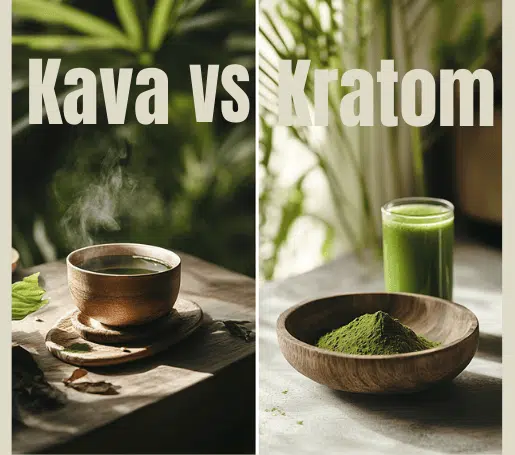
kratom and kava

December 24, 2024

Kava vs Kratom: Benefits and Differences

When it comes to natural relaxation and focus, kava and kratom are always in the mix. Both are plant based and have their own properties that have gained popularity for their benefits. But while they seem similar at first glance, they serve very different purposes and affect your body in different ways. Knowing the differences between kava and kratom will help you decide which one is for you. Whether you’re looking to unwind after a long day or need a energy and mood boost, knowing what each offers is key. Let’s get into what sets them apart so you can make an informed decision. What is Kava And Kratom? Kava and kratom are plant based substances used for their effects on the mind and body. Both are popular but have very different origins and characteristics. Origins And History Kava comes from the root of the Piper methysticum plant, native to the South Pacific. Pacific Island cultures have used kava for over 3,000 years in ceremonial and social settings, to relax and be social. Kratom is from the Mitragyna speciosa tree, found in Southeast Asia. For centuries, indigenous populations have consumed kratom leaves, often chewing or brewing them, to have extra energy during labor or to alleviate discomfort. Plant Sources Kava roots are the source of kava products. The Piper methysticum plant grows in tropical climates, mainly in Fiji, Vanuatu and Tonga. Kratom leaves are the active ingredient. The evergreen Mitragyna speciosa tree is found in countries like Thailand, Indonesia and Malaysia, in humid tropical rainforests. Effects And Benefits Kava and kratom have different effects and benefits, for different needs. Knowing what each offers will help you decide which one is for you. Kava: Relaxation Kava is for calming without impairment of mental clarity. It interacts with GABA receptors in the brain, relaxing the nervous system. Users report less anxiety, more sociability and better sleep. Research shows kavalactones, the active compounds, reduce stress and mild anxiety. Traditional use is in ceremonial and social settings to feel connected and tranquil. Kratom: Energy And Relief Kratom has dual effects depending on the dose. Lower doses stimulate energy and focus by interacting with adrenergic and opioid receptors. Higher doses provide relief management and relaxation. Mitragynine and 7-hydroxymitragynine, the active alkaloids, affect discomfort and opioid like sensations. Traditionally used by laborers in Southeast Asia, kratom is to help endure physical activity and alleviate chronic discomfort. How To Use And Consume Kava and kratom are used and consumed very differently, which affects their effects, traditions and user preferences. Knowing these methods will help you decide based on convenience and what you want to achieve. How Kava Is Used Kava is traditionally consumed as a drink made from its root powder. You mix the kava powder with water and strain it to make a drink. This method of preparation comes from Pacific Island cultures where kava is a part of social gatherings and ceremonies. In modern times kava is also available in pre-made drinks, capsules and tinctures for convenience. You can find kava tea bags, which makes preparation easier or kava extracts with concentrated active compounds for stronger effects. Many prefer the drink for relaxation and sociability, especially in ceremonial or evening settings. How Kratom Is Used Kratom is used in powdered form, brewed into tea or mixed with liquids like juice to mask the taste. Southeast Asian traditions involved directly chewing fresh kratom leaves, but this method is less common today. You’ll find kratom in capsules, tablets and concentrated extracts in modern markets for precise dosing and portability. Many prefer kratom tea or toss-and-wash method where you swallow a spoonful of powder with water or another liquid. Its versatility allows for different doses for different effects, from stimulation at lower doses to sedation at higher doses. Legal Status And Availability Kava and kratom have different legal status that affects their availability worldwide. Laws vary by region, so availability and usage. Kava Legal Status Kava is legal in many countries, including the US where it’s a dietary supplement. In countries like Australia and Canada, there are restrictions on its sale and import, often requiring specific labeling or limiting the form of distribution. Some European countries like Germany and Switzerland banned kava due to liver related side effects but the restrictions have been lifted in recent years. In South Pacific countries like Fiji, Vanuatu and Tonga, kava is cultural and widely available. International presence has grown because of its reputation for relaxation but availability depends on local laws on its use. Kratom Legal Status Kratom’s legal status is more complicated. In the US it’s legal federally but banned in several states like Alabama, Wisconsin and Vermont due to safety and dependency concerns. States like Florida and California regulate it at county or city level so it’s a patchwork of availability. The FDA classifies kratom as a dietary supplement but has issued warnings on its risks. Internationally kratom is illegal in countries like Malaysia, Thailand (historically; though regulations have recently relaxed) and Australia. In Southeast Asia where kratom originated, regional laws vary greatly, often to ensure responsible use and public health. Summary Kava and kratom are different: Kava from the root of Piper methysticum plant for relaxation and calmness, kratom from the leaves of Mitragyna speciosa for energy and relief management. Effects are very different: Kava for stress reduction, sleep and sociability, kratom for stimulation at lower doses and sedation and relaxation at higher doses. Different ways of consumption: Kava is traditionally consumed as a drink but modern forms are capsules and tinctures, kratom is often consumed as powder, tea or capsules for flexibility in dosing. Laws vary greatly: Kava is legal in many countries but regulated in some regions, kratom is more restrictive and inconsistent, some areas banned it. Bottom Line Ultimately, the choice between kava and kratom depends on your individual goals and preferences. If you're looking for a natural way to boost energy, manage minor discomforts, or enhance your mood, kratom's versatility and unique benefits make it a top option. Its ability to offer both stimulating and relaxing effects, depending on the strain, gives you the flexibility to fit your experience to your needs. No matter your choice, always consume in moderation, consider your health, and consult a healthcare professional if needed. Stay informed, listen to your body, and make the decision that feels right for you. For more information on high-quality kratom products, visit Bagus Botanicals. Shop our premium selection of kratom and start experiencing the benefits today! FAQs What’s the main difference between kava and kratom? Kava is for relaxation and anxiety reduction, kratom is for stimulation at low doses and sedation at higher doses. They are used for different purposes and interact with the body differently. Where does kava come from? Kava is from the root of the Piper methysticum plant which is native to the South Pacific. It has been used for over 3,000 years in rituals, social gatherings and as a relaxation aid. What is kratom made from? Kratom is from the leaves of the Mitragyna speciosa tree which grows in Southeast Asia. It has been used traditionally for stamina and discomfort relief. How is kava consumed? Kava is traditionally consumed as a drink made from its powdered root. It’s also available in capsule, tincture and pre-made drink forms. How is kratom consumed? Kratom is often consumed as a tea made from its powdered leaves. It can also be taken in capsules, concentrated extracts or mixed with liquids to mask the bitter taste. What are the side effects of kava? Kava can cause drowsiness, headache and stomach discomfort. Long term or excessive use can cause liver toxicity and skin issues. Don’t mix with alcohol or other sedatives. Is kava legal? Kava is legal in the US and many other countries as a dietary supplement, some nations have restrictions. In South Pacific countries it’s a cultural item and widely available. Can I take kava and kratom together? Don’t take kava and kratom together. They interact with the central nervous system differently. Consult a professional before taking either one or both. References National Institutes of Health (NIH). "Dietary Supplements Fact Sheets." Accessed 12/24/2024. Available at: https://ods.od.nih.gov/factsheets/ World Health Organization (WHO). "Assessment of Kava." Accessed 12/24/2024. Available at: https://www.who.int/ American Kratom Association (AKA). "Kratom Information." Accessed 12/24/2024. Available at: https://www.americankratom.org/ Journal of Ethnopharmacology. "Traditional Uses of Kava and Kratom." Accessed 12/24/2024. Available at: https://www.journals.elsevier.com/journal-of-ethnopharmacology U.S. Food and Drug Administration (FDA). "Warnings and Updates on Kratom." Accessed 12/24/2024. Available at: https://www.fda.gov/ PubMed Central. "Studies on Kava and Kratom." Accessed 12/24/2024. Available at: https://pubmed.ncbi.nlm.nih.gov/ Kava Science. "Research on Kava's Active Compounds and Uses." Accessed 12/24/2024. Available at: https://kava.com/science/ Kratom.org. "Educational Resources on Safe Kratom Usage." Accessed 12/24/2024. Available at: https://www.kratom.org/
Read More
Is kratom legal in California in 2025?

December 6, 2024

Is Kratom Legal in California? Legal Age and Essential Laws You Need to Know

Is kratom legal in California? Yes, but with some important exceptions. While it’s generally legal across the state, certain cities like San Diego have imposed local bans. This guide explains the statewide rules and local laws you need to be aware of. Also, you must be 21 years of age. Key Takeaways Kratom is legal statewide in California, but local bans, like in San Diego, create a legal rollercoaster for users. The kratom debate is heated: advocates tout potential benefits while opponents worry about safety and health risks, leading to a complicated regulatory landscape. Shopping for kratom? Make sure it’s from a regulated source with proper labeling, and always stay awake to local laws—or risk legal trouble faster than you can say ‘mitragynine’. Kratom's Legal Status in California Exploring the complexities of kratom legality in California is challenging. The substance is Legal across the state, but its legal status continues to be a subject of intense discussion. In contrast to several states where kratom use has been widely accepted with minimal controversy, California features an intricate patchwork of local laws and ordinances that can shift more rapidly than one might articulate “mitragynine.” For those who are fond of kratom, it’s critical to grasp the intricacies of both statewide regulations and localized statutes concerning its use in California so as to steer clear of any possible infractions when buying or carrying this herbaceous product. Here’s an overview delineating how these various laws apply throughout the Golden State. Statewide Regulations and Legislation In California, consumers can legally purchase kratom products except in certain localities such as San Diego. The state of California has not designated kratom as a controlled substance. There are no specific state regulations or mandated labeling practices for these products. While the FDA views kratom as an herbal product and hasn’t placed a nationwide prohibition on it, they haven’t approved it either. Changes may be on the horizon with new legislation being considered that would mandate registration of all kratom products along with implementing restrictions based on consumer age to regulate sales more closely. With growing scrutiny around this substance and involvement from the Drug Enforcement Administration (DEA), those involved in selling or using kratom should stay informed about possible regulatory updates affecting its legal status. Local Laws and Ordinances In California, the legal status of kratom is muddled by varying local laws despite being permitted under state legislation. San Diego stands out with its own set of regulations that prohibit the sale of kratom, reflecting a cautious approach due to apprehensions regarding public health and propelled by regional advocacy work. Specifically within San Diego city limits, there exists an outright ban on kratom attributed to persistent worries over its safety. Local government evaluations examining potential dangers and advantages associated with kratom play a significant role in crafting these ordinances. It’s vital for consumers to remain knowledgeable about the regulatory landscape relevant to their locality. Regional Restrictions on Kratom Sales In California, the complexity of kratom legality is heightened by a variety of regional restrictions. These local ordinances impact the sales of kratom and create an intricate environment for both consumers and vendors. Municipalities such as San Diego and Oceanside have introduced prohibitions on kratom citing health considerations. As a result, there exists considerable variability in the legal status of kratom from one locality to another within California. It’s crucial for consumers to remain informed about the specific local laws governing its use and sale. Cities with Kratom Bans Numerous cities across California have adopted strict regulations concerning kratom. For example, San Diego enforced a regulation in 2016 banning the sale, distribution, and possession of this substance. Yet adherence to the ban is inconsistent. Approximately 46.2% of vape shops within San Diego continue to offer kratom even though it’s prohibited locally. Engaging in activities involving kratom in areas where it is banned can lead to legal repercussions such as substantial fines and harsh penalties. Being aware of the cities that enforce these bans could help individuals avoid unforeseen encounters with the law. Understanding Municipal Regulations The patchwork of municipal regulations in California reflects the diverse legal status of kratom throughout the state. These local laws are largely informed by fears regarding health risks and possible misuse associated with kratom consumption. It is vital for individuals involved in using, distributing, or selling kratom to be aware of these local discrepancies. In their efforts to protect public health, local governments frequently implement prohibitions on substances like kratom. Consequently, it’s crucial for consumers of this product to keep abreast with the specific regulatory landscape that governs their region. Although maneuvering through such complex municipal regulations may present challenges, doing so is a key aspect of conscientious use of kratom. The Ongoing Debate Over Kratom Discussions about the herbal substance kratom are currently vigorous, focusing on its safety, effectiveness, and possible abuse potential. This contentious issue is marked by ongoing dialogue regarding how it might be regulated. Various parties involved in this debate—such as medical experts and advocacy groups—hold contrasting opinions on both the advantages and dangers of kratom. It’s important for individuals curious about or using kratom to keep abreast of any changes in regulation and public conversation surrounding this substance. Advocacy vs. Opposition Groups Two primary factions are at the forefront of the discourse on kratom: those advocating for it and those opposed. Those against kratom emphasize the need for Detailed clinical research, pointing to issues regarding its safety, possible addictive qualities, and a current lack of extensive scientific evidence that verifies claims about its benefits. On the other side stand entities such as the American Kratom Association (AKA) and various global coalitions in support of kratom who fight to maintain its legality while promoting regulated consumption to safeguard users. These advocates call for standards akin to dietary supplement regulations with an eye towards ensuring consumer protection. Health Benefits and Risks Proponents of kratom tout its possible health advantages, including the capacity to assist with specific medical issues, yet detailed evidence is frequently absent. Nevertheless, incidents involving severe negative reactions like seizures and cardiac complications have alarmed public health authorities. Critics point to the potential for addiction and detrimental side effects as major worries. The inconsistency in product quality stemming from insufficient regulatory oversight introduces additional risks. Comprehending these health hazards alongside any benefits is crucial for informed decision-making regarding the use of kratom. Impact on Public Health and Safety The debate over kratom’s legal status in California has repercussions that extend beyond the realm of personal use. The matter is critically entwined with broader public health and safety considerations, engaging a variety of stakeholders including health professionals, advocacy groups, and local government authorities. In California, whether kratom is legal or not bears considerable influence on how consumers act and the functioning of market forces within the state. It is imperative for both policymakers and consumers to comprehend these ramifications thoroughly. Consumer Behavior and Market Dynamics Kratom’s legal availability in California significantly influences consumer behavior and public health outcomes. Legal kratom availability prompts consumers to seek various product forms, affecting sales strategies and market dynamics. The growing market for kratom in California has led to increased demand for quality products and the establishment of consumer protection programs to regulate the sale and labeling of kratom products. Public Health Concerns Municipal restrictions on kratom are frequently motivated by worries about the potential health hazards it poses, as well as its propensity for misuse. Critics emphasize the lack of extensive clinical research and the detection of harmful metals in the substance as principal issues. Manufacturers involved with kratom products are required to be officially registered and comply with particular standards that ensure quality and safety. These regulatory demands create obstacles to efficiently supervising how kratom affects consumer health. Buying Kratom in California It’s essential for anyone interested in purchasing kratom in California to be aware of the legal framework surrounding its sale. Kratom products available within this state are required to undergo verification by an accredited lab, which must confirm their alkaloid levels through a certificate of analysis. The products should also feature precise labeling that outlines suggested servings and warns about the potential risk of developing a habit. When it comes to marketing these products, there is a prohibition on utilizing any imagery or packaging designs that could entice children, such as those reminiscent of candy or bearing appealing graphics. These measures concerning kratom regulation have been implemented with the intent to safeguard consumers and guarantee high-quality offerings under the guidelines set forth by the kratom consumer protection act. Where to Purchase Kratom Products Consumers can secure trusted brands and guarantee the quality of their purchases by buying kratom products online. Vendors such as Choice Botanicals provide an array of kratom items, promising both quality and dependability. In California, a multitude of vape and smoke shops stock legal kratom products. For individuals in pursuit of dependable offerings, Kratora presents all-natural selections sourced from esteemed farms, along with a 30-day satisfaction guarantee and complimentary shipping on orders exceeding $75 for legitimate products. Legal Considerations for Consumers It is essential for individuals involved with kratom, either as users or suppliers, to be knowledgeable about the specific regulations governing the substance in California. Maintaining awareness and exercising due diligence supports the ongoing legitimacy of engaging with kratom within the state. By adhering to established guidelines and keeping abreast of legal developments pertaining to kratom, consumers can utilize this substance conscientiously. Such vigilant behavior facilitates adherence to local laws while prioritizing consumer safety. Navigating Kratom Use Responsibly Seeking advice from a healthcare provider is essential in managing kratom consumption safely, particularly for individuals below 21 years of age, or those who are pregnant or nursing. It’s important to recognize the possible dangers and strictly follow suggested guidelines for usage. To maintain a beneficial experience with kratom, one should avoid mixing it with other drugs and stay updated on both legal regulations and health advisories related to its use. Summary To summarize, the legal situation of kratom in California is complex and subject to change. It is mostly legal. Local regulations and concerns related to public health introduce additional intricacies. Grasping these statutes, the continuing discussion surrounding them, and their consequent health impacts are vital for judicious use of kratom. It’s important to remain well-informed about these issues, practice prudent consumption of kratom, and participate actively in the dialogue about its utilization so as to guarantee a secure and advantageous interaction with this contentious natural product. Frequently Asked Questions Is kratom legal in all of California? Kratom may have the golden state in its corner, but watch out—San Diego’s throwing it in the banned basket. So, before you celebrate your kratom bliss, check local laws! Where can I buy kratom in California? You can snag kratom online or pick up some at local smoke shops and vape stores—just make sure you’re following the local laws. Happy hunting! What are the health risks associated with kratom? Kratom might seem tempting, but watch out for potential addiction and nasty side effects like seizures—trust me, you don’t want your wellness journey to take a wild detour! Are there any age restrictions for buying kratom in California? While California has proposed legislation to restrict kratom sales by age, currently, there’s no uniform law enforcing specific age limits. So, if you’re under 18, you might want to keep your kratom dreams on hold for now! How can I use kratom responsibly? To use kratom responsibly, the golden rule is to consult a healthcare professional, stick to the recommended uses, and stay updated on legal and health guidelines. So, play it safe and keep it smart!
Read More